In the realm of sports lighting, the adoption of high-power LED fixtures has reshaped the way stadiums and arenas are illuminated, with distinct preferences and requirements evident across different markets like North America and Europe. LED sports lighting demands between these regions, focusing on the varying needs for LED stadium lights, suitable fixture aesthetics for different regions, factors influencing lighting fixture selection based on venue and project conditions, and delineating illumination standards across training-level, mid-level, and professional broadcast-level sports fields.
**Divergence in Market Demands:**
In North America, the emphasis on energy efficiency and sustainability underpins demands for LED sports lighting fixtures. Venues seek fixtures that offer high lumen output while minimizing energy consumption, along with superior glare control and light distribution to enhance the spectator and player experience. Contrarily, European markets prioritize the aesthetic integration and architectural appeal of LED sports lighting fixtures. Design preferences lean towards sleek, stylish fixtures that harmonize with the stadium’s overall ambiance. European standards prioritize light quality, color rendering, and uniformity for optimal visibility during sporting events.
**Diverse Lighting Fixture Selection Needs:**
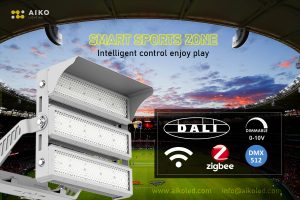
The choice of LED stadium lights is driven by various factors specific to each market. North American venues may favor smart lighting systems for energy efficiency management and scheduling, while European markets focus on minimizing light spillage and environmental impact. Fixture aesthetics play a crucial role too, with North American markets veering towards functionality and European markets leaning towards design integration with the stadium architecture.
**Factors Influencing Lighting Fixture Selection:**
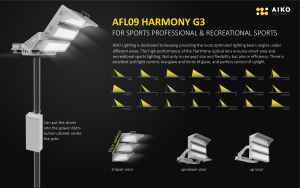
When selecting LED sports lighting fixtures, critical factors include the venue’s requirements, the type of sporting events hosted, and the surrounding environment. Considerations like mounting height, beam angles, light output, color temperature, and control capabilities must be weighed carefully. Compliance with regulations and guidelines set by sports governing bodies is mandatory to ensure optimal visibility, safety, and broadcast quality.
**Distinct Illumination Standards:**
Lighting standards vary across different levels of sports venues. Training-level facilities require a different lighting setup than mid-level or professional broadcast-level stadiums. Professional-level venues demand higher light levels and uniformity, adhering to stringent regulations set by sports organizations. The lighting design must align with these standards to guarantee an exceptional viewing experience for spectators and players alike.
**Installation Methods and Other Differences:**
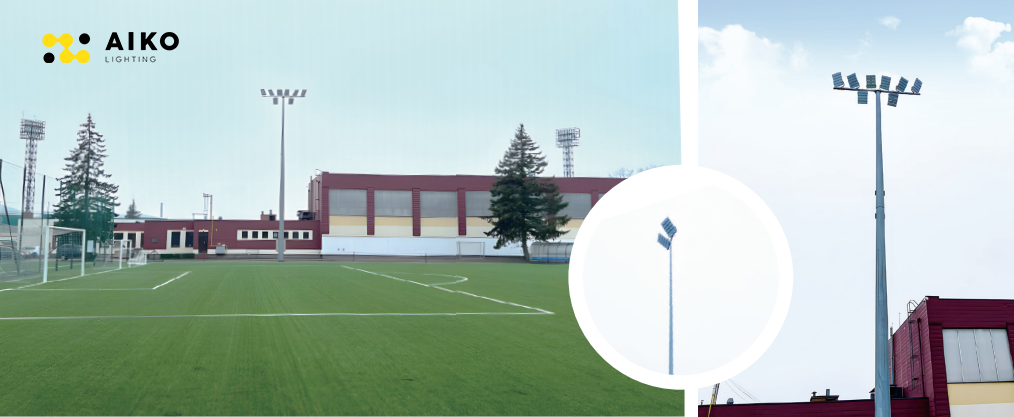
LED sports lighting fixtures can be installed using diverse methods, depending on the venue’s structure and requirements. North American venues may opt for pole-mounted fixtures for flexibility, while European venues might prefer integrated lighting solutions. Additional considerations such as light spillage control, dimming capabilities, and maintenance requirements further distinguish lighting choices between regions.
The disparities in high-power LED sports lighting between North America and Europe underscore the varied demands and preferences of sports venues in each region. By understanding these distinctions and considering factors such as aesthetics, performance, and compliance with lighting standards, sports facilities can achieve optimal illumination suited to their specific needs. The transition to LED sports lighting signifies a shift towards energy efficiency and enhanced visual experiences, marking a significant advancement in modern sports lighting technology.